
A company with no touchpoints.
There is no door for customers to come in. Start at −1, Touchpoints.

Three layers of one system: a model of the business, agents that act on it, and machines that carry the work into the physical world.
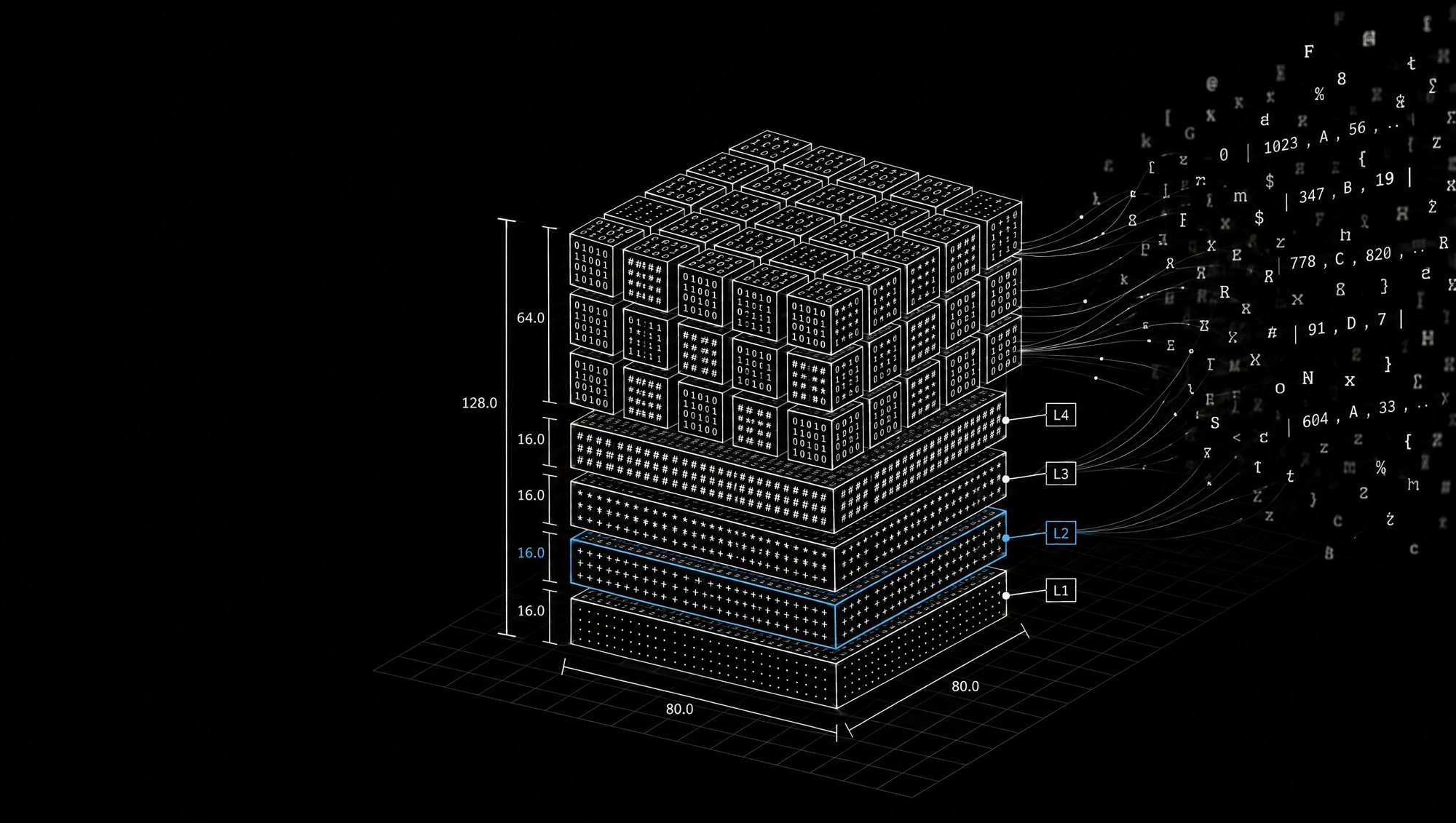
Not a table of data. A definition of what the business is and what can be done in it.
Customers, visits, procedures, staff and stock are held as one connected model. Agents work on that model, not on scattered tables.
Agents make fewer mistakes when they read meaning instead of raw fields. The same question gets the same answer in every screen, report and agent.
We start from the work done in the field, not from an existing database. A core model shared across fields, extended with the terms each field uses.
Things that exist in the field, each with one definition: customer, visit, procedure, staff, stock, content.
How objects connect: who did which procedure for whom, with which materials, at what time.
What may be changed and by whom: move a booking, send a message, place an order. Agents can only act through these.
Permissions, approval steps and limits that every action passes through.
Every change is kept with its time, actor and reason, so decisions can be traced and learned from.
If there is no door, we start with the door: a website and video, so customers arrive through search, AI answers and video.
PrepFrom the first lead to the work on site: calls, consultations, messages, photos and video are captured in one web app, with no separate data entry.
PrepScattered records are joined into one customer, one flow.
Build · set up onceInstinct becomes the company's rules: the funnel, principles and terms in the owner's head are written down as shared standards.
Build · set up onceOn top of those rules, an AI agent is seated at each position, one at a time, starting where it is needed.
Build · set up onceThe agent judges, a person approves. Each day the agent decides which customers need attention and raises orders for approval.
Run · every dayWe check that it was done, and the reason for every rejection becomes the next standard. The more it is used, the better it fits the company.
Run · every dayThere is no door for customers to come in. Start at −1, Touchpoints.
What happens on site disappears. Start at 0, field records.
The data exists but sits apart. Start at 1, data connection.
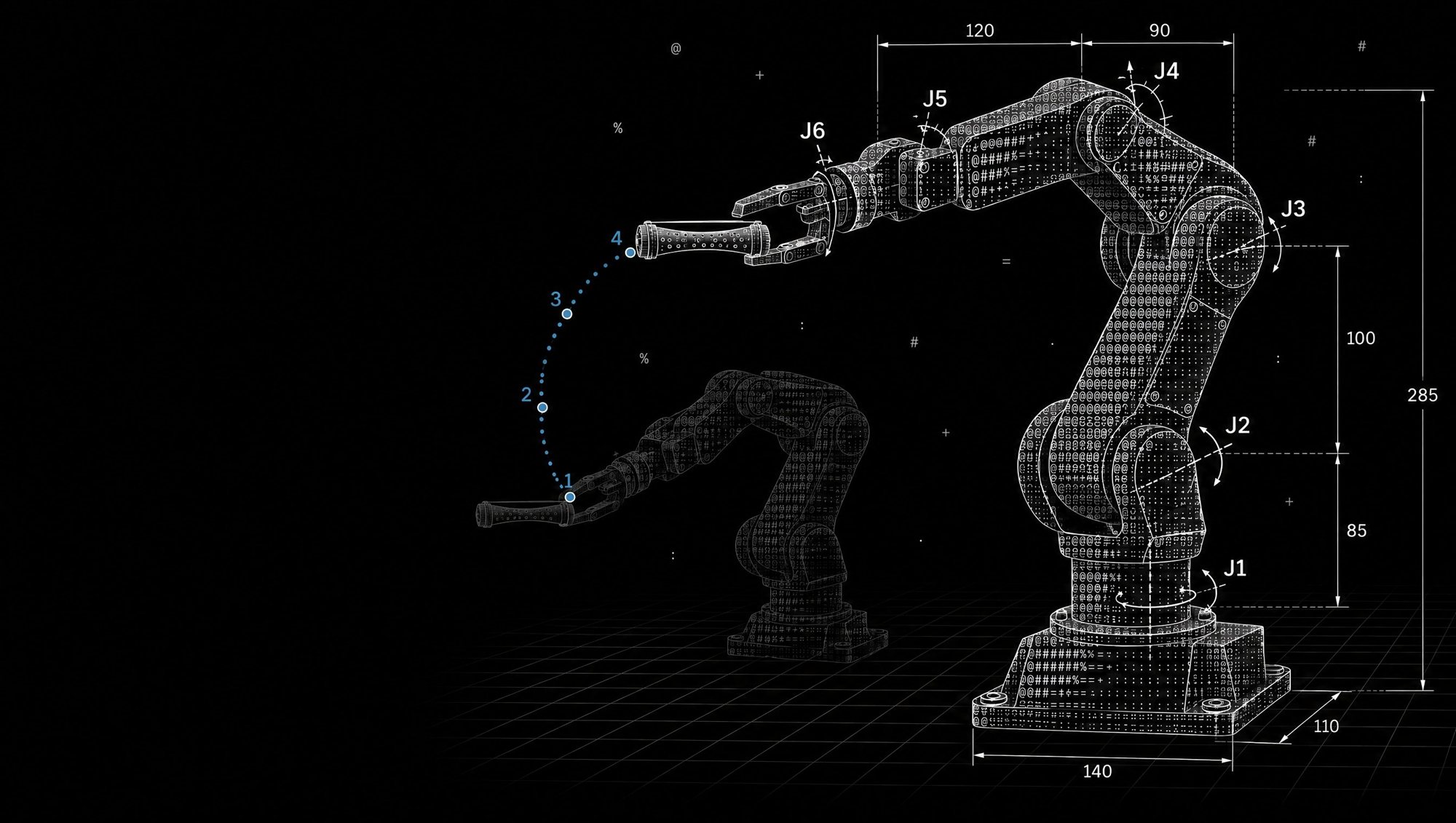
A mobile two-arm assistant that hands over tools, prepares materials and keeps the station ready, so professionals keep their hands on the craft.
The robot is trained on procedure data that One OS secures in salons: which tool is used at which step, when and how.
One OS secures data on steps, tools and timing from real procedures in salons.
The robot learns its tasks from the salon data that has been secured.
Assistant robots enter real salons, starting with simple, safe support tasks.
AI and robots assist professionals. They do not replace judgment.
Anything that reaches a customer or spends money waits for a person's approval.
We collect only what is agreed to, and only what the work needs.
Customer data belongs to the business and its customers. For robot training we use only data that is consented to and processed so individuals cannot be identified.
The robot works at the station, not on the customer.
Speed and force are limited near people.