
The day is already laid out
Today's bookings, each customer's last visit and the products that will run short are ready on one screen.

One operating system for the whole business. Every booking, customer, conversation, product and task is kept as one record, and AI works from that record.
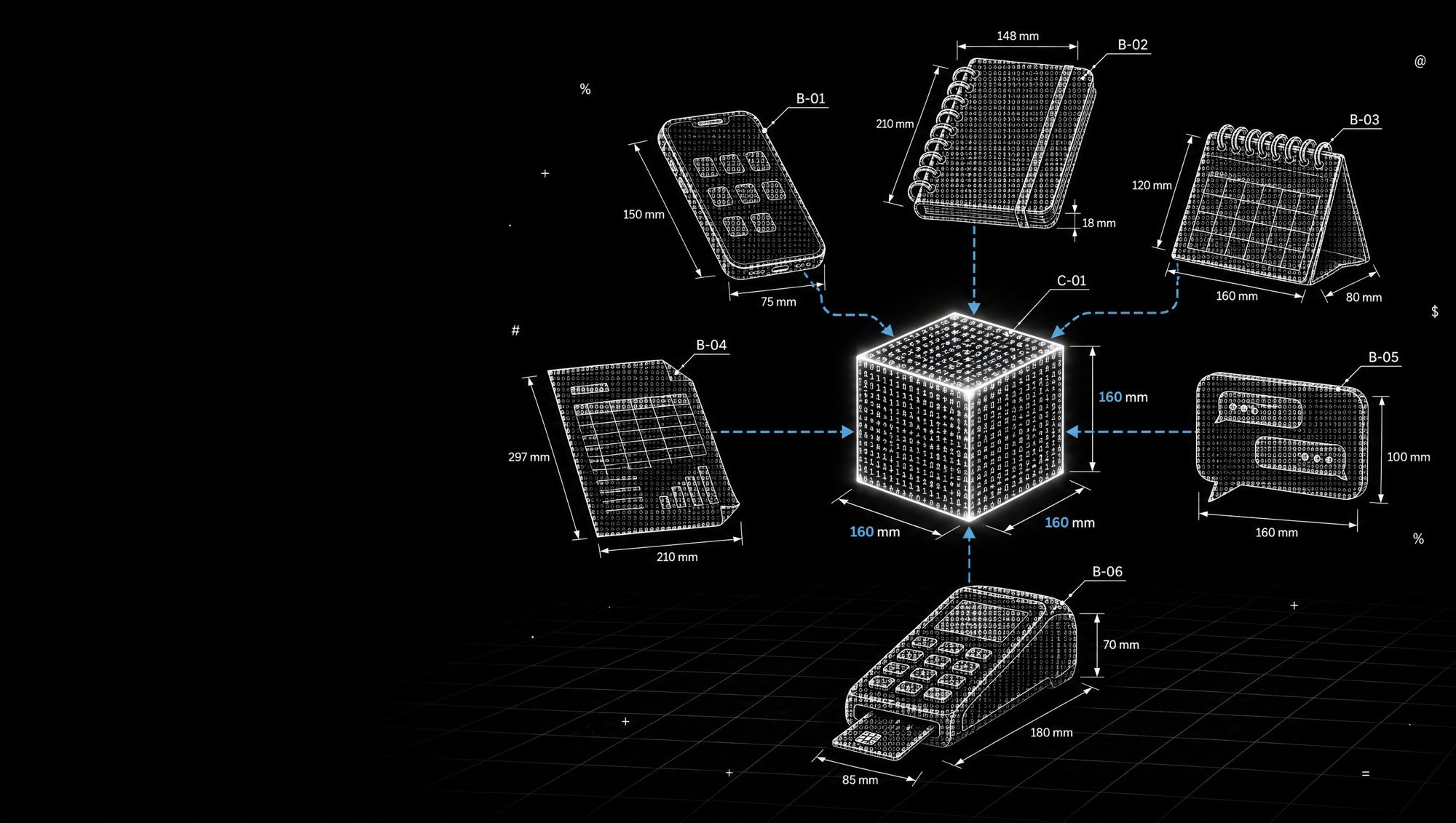
Booking apps, messengers, spreadsheets and notebooks each hold a piece. People spend their day carrying information between them.
When every record shares one structure, AI can see the business as it is and take over the repetitive parts.
Today's bookings, each customer's last visit and the products that will run short are ready on one screen.
Check-in opens the customer's record: history, preferences, cautions and what was promised last time.
With consent, the consultation is transcribed on the phone and summarized into requests, decisions and next steps.
Steps, products used, time taken and photos or clips of the result are attached to the visit.
A care message, the suggested next visit and a short-form draft of the work wait for one tap of approval.
Revenue, empty hours, product usage and what to order are summarized without a spreadsheet.
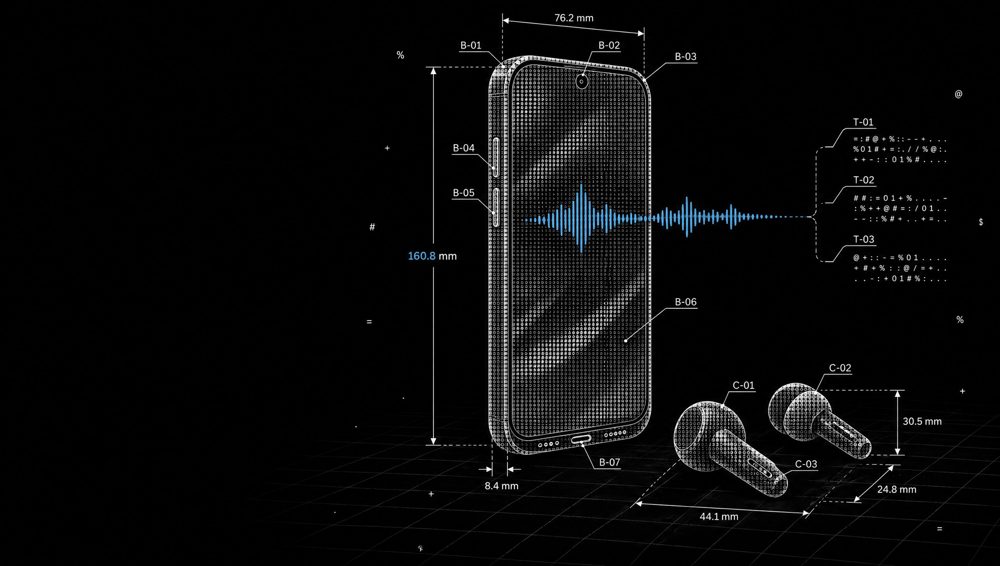
Transcribed on the phone, with consent. Summarized into the record.
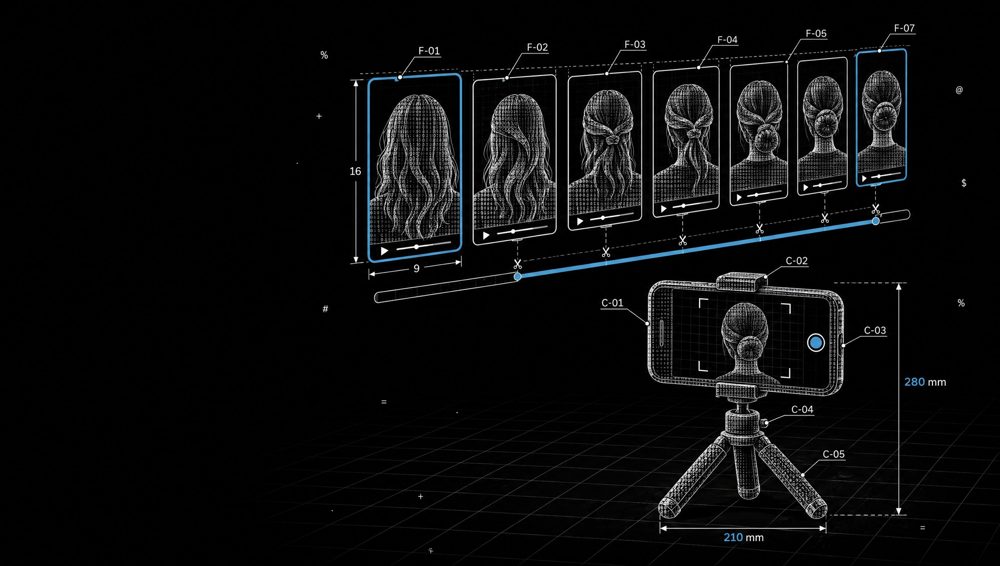
Clips of a visit are cut into a short-form draft. Published only with consent.
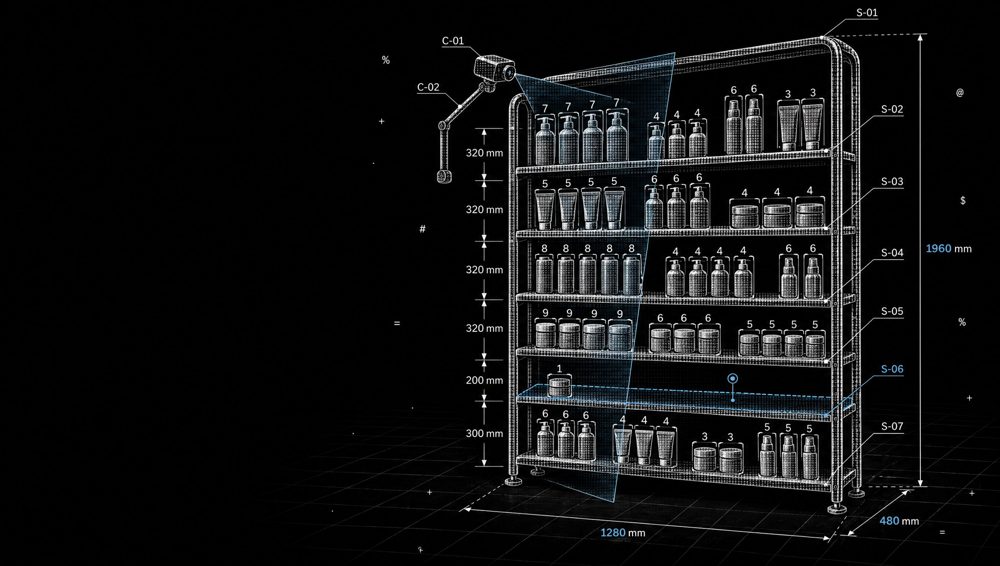
A camera counts the shelf. The order list is ready before you run out.
Drafts replies, reminders and care messages in the store's own tone, for staff to approve.
Bookings, conversations, clips, stock and payments are captured where the work happens.
Records are linked into one structured map of the business: who, what service, which product, how long, what result.
On that model, AI finds what is wasted and proposes the next step with its reason.
Approved proposals are carried out by agents, and the outcome returns to the record.
Phone app for staff: today's customers, recording, photos and clips, approvals.
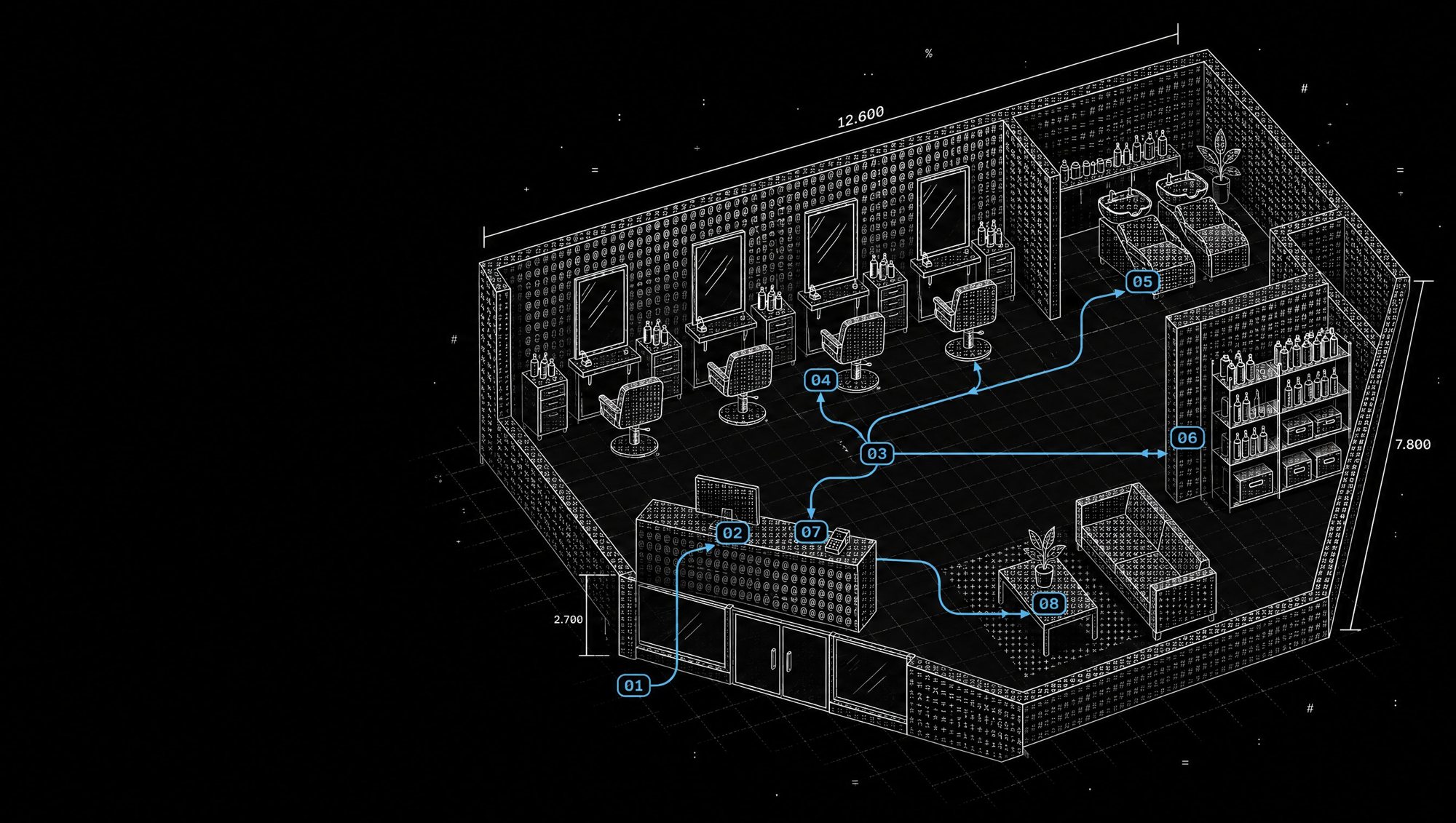
Wide screen for the front desk: timeline, floor map, payments and reports.
Cameras and displays in the store: stock shelves, digital menu, waiting-area screens.
Recording and publishing happen only with the customer's consent, and the consent is kept in the record.
Owners, managers and staff each see only what their work requires.
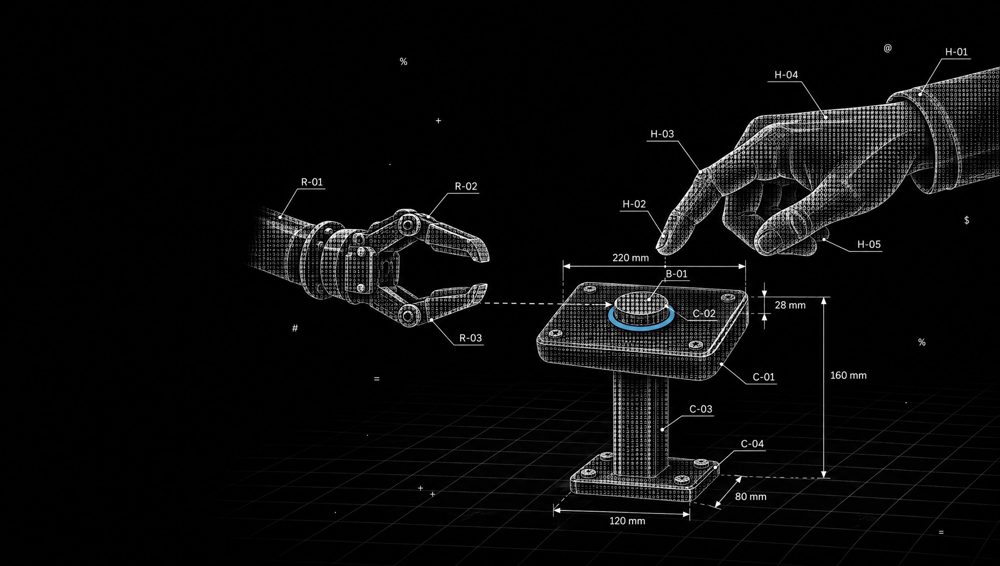
Anything that reaches a customer or spends money goes out only after a person approves it.
Stock cameras look at products, not people. Frames are used for counting only.
The floor plan, seats, rooms and equipment are set up as a 3D map.
Existing customers, menu and prices are moved in.
Each person joins with a role and starts from their own phone.
Agents are switched on one at a time, as the record grows.